
BEYOND THE RULES
Safe driving begins with awareness. Knowing the rules is not enough—emotions, physical condition, attitude, and working environment all influence decisions behind the wheel. Through its Heart, Mind and Body approach, BAB helps individual and professional drivers recognise these influences and make safer choices.
HEART
Represents attitude, emotional readiness, responsibility, and concern for others. Anger, stress, frustration, fear, or conflict may affect how a driver responds to other road users, even when the driver does not immediately recognise it.

MIND
Supports concentration, hazard awareness, judgement, planning, and decision-making. A driver must be able to notice developing risks, understand their possible consequences, and choose an appropriate response before the situation becomes dangerous.

BODY
Must be physically prepared to drive. Fatigue, illness, alcohol, medication, discomfort, can affect reaction time, coordination, concentration, and control

Our Training Methodology
Every training programme follows a structured process designed to create lasting improvements in driver behaviour rather than simply teaching driving techniques.
1
Classroom Training
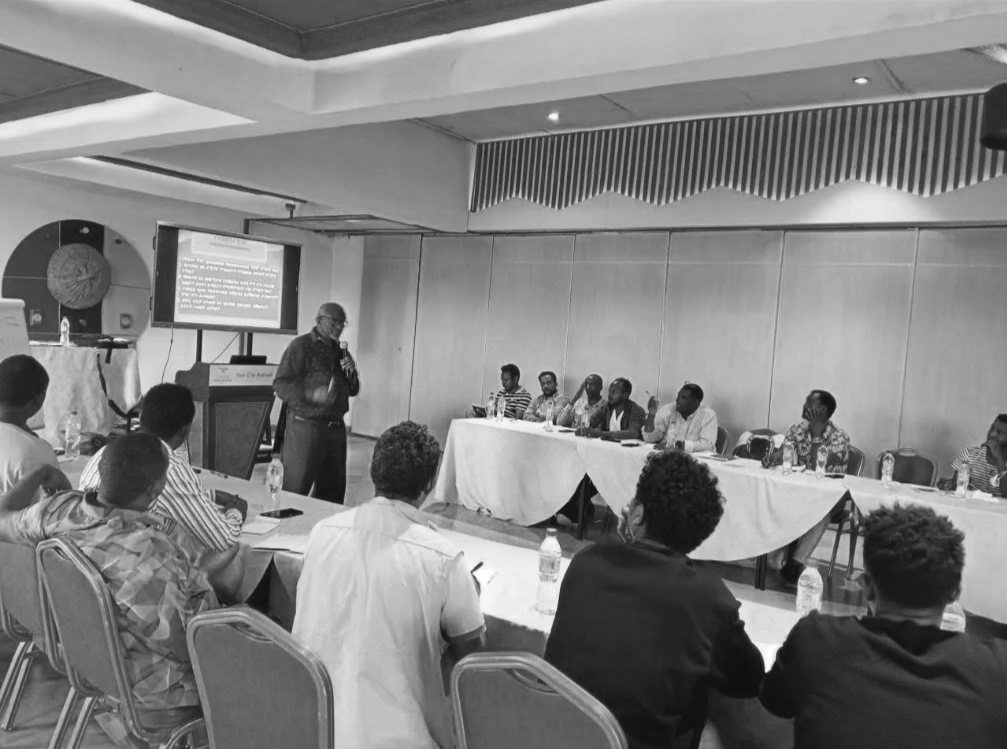
Training begins with an interactive classroom session, where participants are introduced to the principles of defensive driving and the BAB Heart, Mind, and Body approach. Drivers learn how attitude, emotions, awareness, decision-making, and physical condition influence safe driving, while also developing the knowledge and hazard-recognition skills needed to anticipate and manage risk.
2
Individual Driver Assessment
Each participant then completes an individual on-road driving assessment. This allows the trainer to evaluate existing driving habits, identify strengths, recognise areas of risk, and understand the driver's specific training needs.
3
Personalised Driver Coaching
Based on the assessment, practical coaching is tailored to each participant. Rather than using a one-size-fits-all approach, coaching focuses on the driver's individual strengths, weaknesses, and behaviours, helping them develop safer habits and greater confidence behind the wheel.
4
Final Assessment
The programme concludes with a final assessment that evaluates both theoretical understanding and practical driving performance. This ensures participants have not only gained knowledge but are also able to apply defensive driving principles safely and consistently in real driving situations.